


Лечение рассеянного склероза
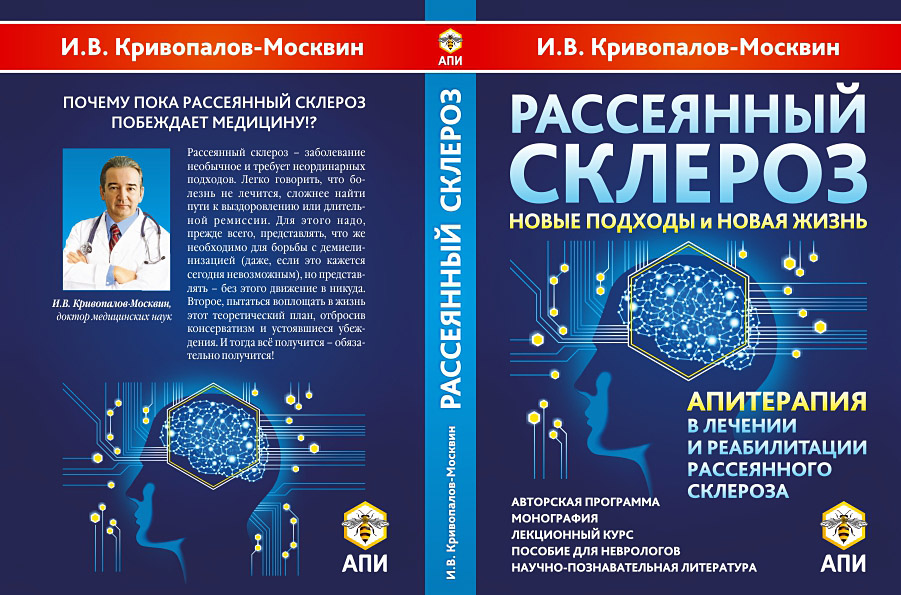
Что это такое
Рассеянный склероз – болезнь, не совсем типичная, относительно других неврологических состояний, а значит и в терапии заболевание требует необычных подходов. Основными патологическими изменениями этого рассеянного склероза является длительное разрушение миелиновой оболочки, которое называется демиелинизацией и дегенеративными изменениями в самой нервной ткани.
В настоящее время существует только терапия, направленная на воздействие причинных факторов различного происхождения и терапия имеющихся симптомов, но этого недостаточно, а потому нет желаемого результата. Получается, заболевание демиелинизирующее, а непосредственного воздействия на уже имеющуюся демиелинизацию практически не существует (это первая ошибка!), а то, что есть, способно лишь сдерживать развитие демиелинизации и имеющуюся симптоматику.
Только при наличии целенаправленного лечения, мы можем рассчитывать на ожидаемый результат.
Большой акцент, в лечении рассеянного склероза, делается на иммуномодулирующую терапию. Иммуномодуляция должна смоделировать иммунитет так, чтобы он защищал качественно человека от патологического процесса (демиелинизации), но этого медицинская наука пока не умеет и чаще сводится всё к иммуносупрессии, только с другим названием, а совсем без иммунитета не может быть здоровья (это вторая ошибка!).
Симптомы
Заболевание может проявляться различными симптомами, которые зависят от расположения участков демиелинизации нервных волокон.
В зависимости от повреждения тех или иных нервно проводящих путей далее опишем варианты.
1. Поражения пирамидных путей – один из самых частых симптомокомплексов рассеянного склероза. Пирамидные пути ответственны за силу в мышцах. В зависимости от локализации очага могут наблюдаться слабость в какой-то из конечностей, сразу в обеих руках или ногах или одной руки и ноги на одной половине тела.Мышечный тонус при заболевании ЦНС может изменяться в виде спастики, гипотонии или дистонии. Спастика - усиление мышечного тонуса при движениях.Гипотония – понижение мышечного тонуса.Дистония появляется при одновременном поражении пирамидной и экстрапирамидной систем. Сначала проявляется незначительная утрата мышечной силы, затем она расценивается как чрезмерная усталость, при восстановлении движений после кратковременного отдыха.
2. Изменение координации (поражение мозжечка) проявляются в виде головокружений, дрожи конечностей, неустойчивости при ходьбе (атаксии), скандированной речи, неровности и нечеткости почерка. Описано наличие трех обязательных симптомов при определенных формах рассеянного склероза – это нистагм, скандированная речь, интенционное дрожание, которые объединены в Триаду Шарко.
3. Изменение функций черепных нервов Часто встречающимися проявлениями заболевания при разрушении миелина у ствола мозга являются глазодвигательными отклонениями, которые проявляются двоением, раскоординированными движениями глазных яблок, косоглазием, недоведением глазных яблок при взгляде в стороны и, особенно, кнутри, а также снижением остроты зрения и изменением полей зрения.
4. Симптомы нарушения чувствительности. Большая часть пациентов с этим заболеванием часто предъявляют жалобы на изменение чувствительности. Это онемение различных участков кожи, чаще подушечек стоп и ладоней, чувство стягивания, покалывание.
5. Изменение работы тазовых органов.Нарушения начинаются, как правило, с частичного недержания. И связаны эти нарушения со степенью поражения пирамидного пути в спинном мозге, а именно со степенью нижнего парапареза. Затем может присоединиться императивные позывы. Учащение мочеиспускание и задержки. Кроме того может развиться недержание кала или запоры. Бывают проблемы в половой сфере.
6. Нарушения высшей нервной деятельности проявляются в виде умеренных интеллектуально-мнестических и психоэмоциальных нарушений. Отмечаются повышенная утомляемость, раздражительность, эмоциональная лабильность, снижение памяти и интеллекта.
Причины
Причины, вызывающие дебют и дальнейшее развитие рассеянного склероза из множества условно подразделяются на три категории:
Первая - предрасполагающие к возникновению рассеянного склероза наследственные и приобретенные факторы, вторая - сопутствующие факторы, третья - провоцирующие факторы.
Для начала рассеянного склероза нужно совокупное воздействие сразу трех факторов; отсутствие какого-нибудь из них, может задержать развитие рассеянного склероза
Рассеянным склерозом заболевают чаще люди молодые, находящиеся в трудоспособном возрасте, и для них это заболевание становится мощным психологическим ударом, и это еще усугубляется после многочисленных посещений поликлиники. Для них диагноз "рассеянный склероз" звучит уже, как приговор. Все это приводит к ускорению разрушительных патологических процессов в нервно-проводящих путях головного мозга.
Лечение
Увы, не все, что происходит вокруг этой проблемы, делается во благо пациента. Это относится и к разным организационным мероприятиям (съезды "узких" специалистов, конференции, симпозиумы), но радует уже то, что к данному вопросу (рассеянный склероз) стали проявляется должное внимание. Однако, человеку, заболевшему рассеянным склерозом безразлично, что происходит вокруг. Ему хочется, чтобы эта деятельность специалистов принесла лично для него ощутимый результат.
Ступени изучения проблемы
В современном направлении поиска решений по проблеме "рассеянный склероз" выделяется пять основных ступеней:
- I ступень - научно-теоретические отделы, обладающие всем необходимым "багажом" знаний, которые проводят свои собственные научные исследования, объединяют в себе лучших специалистов в данной области, но, к сожалению, не имеет прямой взаимосвязи с лечебным учреждением и пациентом, и потому не всегда правильно оценивает проводимую терапию.
- II ступень - административные структуры, отвечающие за финансирование и координацию направления по рассеянному склерозу, но не имеющие всей информации о практической взаимосвязи с пациентами.
- III ступень - лечебные учреждения, предпринимающие попытки лечения рассеянного склероза, но не представляющие, что это болезнь находится в тесной взаимосвязи с психоэмоциональным состоянием и обязывает осуществлять не только фармакологическое лечение. Они (организации), также недостаточно внедряют в комплекс лечения двигательные восстановительные методики и отказываются от использования новаторских методов, в силу ограниченности знаний и отсутствия гибкости мышления. Из-за этого при существующем отношении результаты лечения рассеянного склероза оказываются минимальными.
- IV ступень - врачи - практики, которые непосредственно осуществляют лечение пациентов, но ограничены официальной, регламентированной информацией и считают, что рассеянный склероз неизлечимое заболевание, и потому заниматься им бесполезно.
- V ступень – сами "ненужные" пациенты, для которых их здоровье и остается только их личной драмой.
На современном этапе развития науки появились новые направления в терапии рассеянного склероза, но, к сожалению, внедрение их в практику лечения пациентов, поведение клинических наблюдений затруднено из-за ряда причин.
Апитерапия
Увы, в современном мире очень велика доля людей молодого возраста заболевших рассеянным склерозом и их количество ужасающе растет. Происходит противостояние современной медицины и этого (рассеянный склероз) заболевания не в пользу первой. Неэффективное лечение, длительная диагностика приводит к быстрому течению заболевания и инвалидизации молодых людей.
Рост количества заболевших рассеянным склерозом требует к себе повышенного внимания, резко выделяется среди других категорий заболеваний, а значит, подход в его лечении должен быть особенным.
Такие пациенты должны охватываться в лечении многопрофильной бригадой, в которую включались бы врачи разных специализаций: неврологи, психологи, психотерапевты, терапевты, урологи, иммунологи, реабилитологи. Однако, на наш взгляд, лечение рассеянного склероза было бы значительно эффективней, если бы к этим специалистам присоединился бы опытный и квалифицированный апитерапевт.
Центр лечения и реабилитации рассеянного склероза
С 1991 года в Челябинске создана первая в России лечебно-реабилитационная клиника, специализирующаяся по лечению рассеянного склероза. За это время в терапии рассеянного склероза апробированы разные, традиционные и экспериментальные препараты, но все, же мы отдали предпочтение пчелиному яду, его белковым компонентам, оказывающих ряд значительных терапевтических эффектов:
- приостанавливать прогрессирование демиелинизации;
- тормозить разрушение миелиновой оболочки, достигать результата восстановления миелиновой оболочки положительно воздействовать на неврологические симптомы болезни и улучшить проходимость нервных импульсов по нервным волокнам;
- снижать количество нейтрофилов и моноцитов, угнетать аутоагрессию организма;
- нормализовывать иммунитет и обмен веществ при рассеянном склерозе;
- не допускать присоединение вторичной инфекции;
- посимптомно восстанавливать нарушенные функции;
- улучшать координацию;
- снижать тоническое напряжение мышц;
- создавать новые двигательные рефлексы;
- осуществлять предродовую подготовку и реабилитацию после родов у пациенток с процессами демиелинизации;
- изменять психологическое состояние человека, а также его понимание и отношение к своему состоянию.
Вышеперечисленные терапевтические эффекты в лечении рассеянного склероза закономерны, за счет действия апитоксинов, которые:
- увеличивают выработку адекватных количеств кортикостероидов корой надпочечников;
- корректируют иммунную систему;
- понижают холестерин в крови и расщепляют атеросклеротические бляшки;
- нормализуют артериальное давление;
- предотвращают чрезмерную агрегацию тромбоцитов и разжижают кровь;
- восстанавливают миелиновую оболочку;
- нормализуют работу пищеварительного тракта;
- рефлекторно воздействуют через БАТы.
Апитоксинотерапия дает возможность комплексного лечения, с непосредственным воздействием на демиелинизацию и возможностью получения ремиелинизации.
В нашей клинике изучались терапевтические эффекты апитоксинов на неврологическое состояние пациентов, а также на изменения нервно-проводящих путей, на показатели иммунитета, а также систему крови при рассеянном склерозе, как экспериментально на животных, так и клинически. Из результатов наших исследований был сделан довольно смелый, но доказанный вывод: "Пчелиный яд соединил в себе самое лучшее, что существует на сегодняшний день в лечении рассеянного склероза".
Неоспоримый факт: пчеловоды практически не болеют рассеянным склерозом.
Стоимость
Минимальные цены на комплексные лечебно-реабилитационные и восстановительные программы в клинике (включая питание и проживание):
- Для жителей Челябинской области от 31200 руб.
- Для жителей других городов и областей от 34350 руб.
- Для иностранных граждан от 700 Евро.
Курсы 5-20 дней, в зависимости от диагноза, тяжести и течения.